
If your garage door has a visible gap along the top or sides and your opener still uses the code it came with from the factory, you have two separate ways in waiting to be used. The exceptions are the households that think they're covered because they bought a nice door: a solid, expensive garage door with a loose bottom seal or an unguarded emergency release is just as easy to beat as a cheap one. Security here is less about the door itself and more about a handful of specific weak points.
How Burglars Actually Get Through a Garage Door
Despite the horror stories, most garage break-ins don't involve brute force. They involve exploiting predictable mechanical gaps.
- Fishing the emergency release. Nearly every garage door opener has a red cord hanging from the trolley that disconnects the door from the motor for manual operation during a power outage. If there's any gap at the top of the door, a thin wire or coat hanger slipped through and hooked onto that cord pulls the release and opens the door in seconds. This is still one of the most common methods because most homeowners have no idea the cord is a liability.
- Prying the bottom panel. Doors with worn or missing weatherstripping, or panels that have warped slightly from sun exposure, flex more than they should under a pry bar. A few inches of give at the bottom corner is often enough to trip the sensor or force the door up by hand once the opener disengages.
- Grabbing the code. Older openers that use a fixed code rather than a rolling code can be captured with inexpensive code-grabbing devices sold online. If your opener predates the mid-2000s or came with the house and you never reset it, this is a real exposure.
- Going through the side door. Many garages have a pedestrian door to the yard or side of the house, and it's frequently the weakest lock on the property. Once someone is inside the garage, they can trigger the opener from the wall button, access tools, or go straight into the house through the connecting door.
- Breaking a garage window. Decorative windows in the top panel look good but give a clear view of the interior and, if reachable, a way to break glass and pull the emergency release from inside.
Habits That Close the Gaps for Free
None of this requires new hardware to start fixing.
- Close the door fully, every time, including during quick errands and during wildfire smoke season when it's tempting to crack the door a few inches for ventilation. A partially open door removes the fishing problem entirely but creates an even easier entry.
- Don't leave the remote in a car parked in the driveway. A visor clip opener is an invitation if the car itself isn't locked.
- Treat the side door like a front door. Deadbolt it, keep it locked even when you're home, and don't leave a hide-a-key nearby.
- Reset the opener code if you bought an existing home or inherited a builder-installed system. Many new owners never do this, and it's a five-minute fix through the opener's settings.
- Cover garage windows with frosted film or blinds so the interior, and the emergency release cord, aren't visible from outside.
Hardware Upgrades Worth the Cost
A few targeted upgrades address the specific methods above rather than security in general.
- Emergency release shield. A simple plastic guard that blocks access to the release cord from outside the door. It's inexpensive and defeats the fishing method completely.
- Rolling code opener. If your system still uses a fixed code, upgrading to a rolling code opener generates a new code every time it's used, making code grabbers useless.
- Vacation lock or manual slide bolt. Mechanically locks the door track so it can't be forced open even if the opener is bypassed. Worth using any time the house is empty for more than a day.
- Reinforced bottom panel brackets. Pry-resistant brackets reduce the flex that lets a bar get leverage at the corners.
- Battery backup opener. Beyond convenience during power outages, it keeps auto-lock and sensor features active instead of leaving the door in an unsecured manual state.
Where Local Conditions Make This Worse
Long dry stretches and wildfire smoke in the fall push people toward propping the garage door open for airflow or to shake dust out, which is exactly when a door should be closed and sealed. Sun and heat exposure over the inland summer also dry out weatherstripping faster, which widens the gaps burglars use to fish the release cord or get a pry bar started. If your door has been through a few hot seasons without new seals, that alone is worth checking before winter rain arrives.
When to Call Tracy Garage Door Co
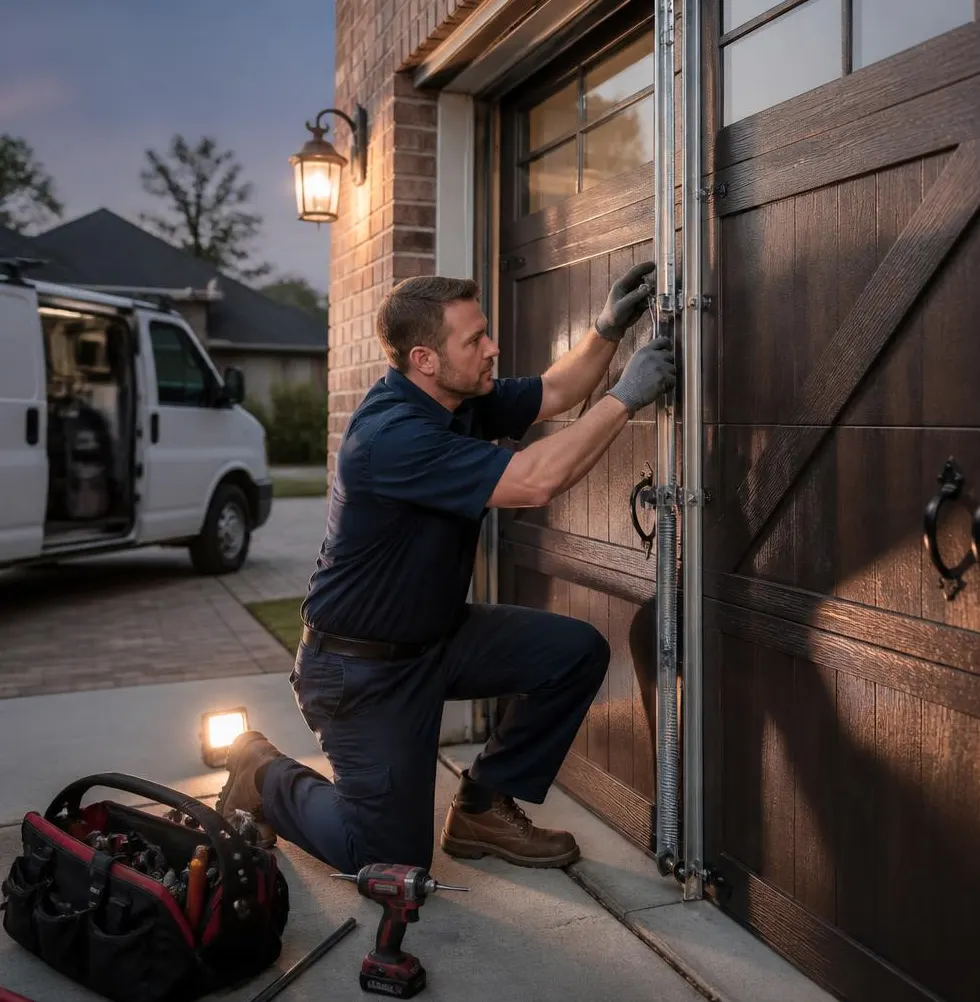
If your opener still uses an old fixed code, your remote is unmarked and could belong to anyone, or you're not sure whether your door has a vacation lock option, our team handles Garage Door Opener Repair & Installation and can upgrade you to a rolling code system with a release shield in one visit. If the bottom panel flexes more than it should, worn seals and loose brackets are usually a quick fix through Garage Door Maintenance, and we'll flag anything that looks like a real security gap while we're there.
If you're in Tracy, Manteca, Lathrop, Stockton, Livermore, Mountain House, Ripon, or Modesto and want your garage door checked for these exact weak points, call Tracy Garage Door Co for a straightforward inspection and the fixes that actually matter.